


About ISARD
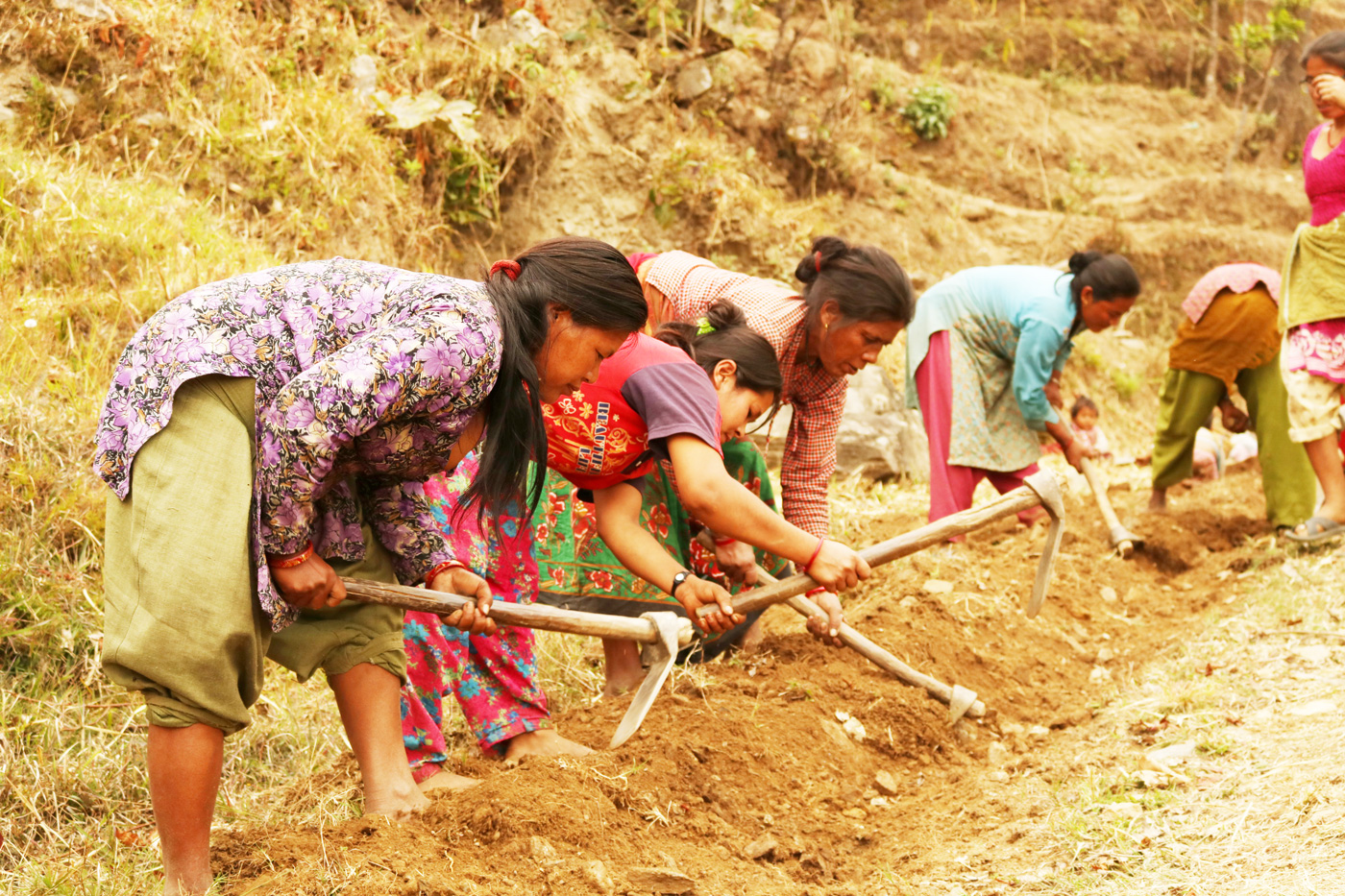
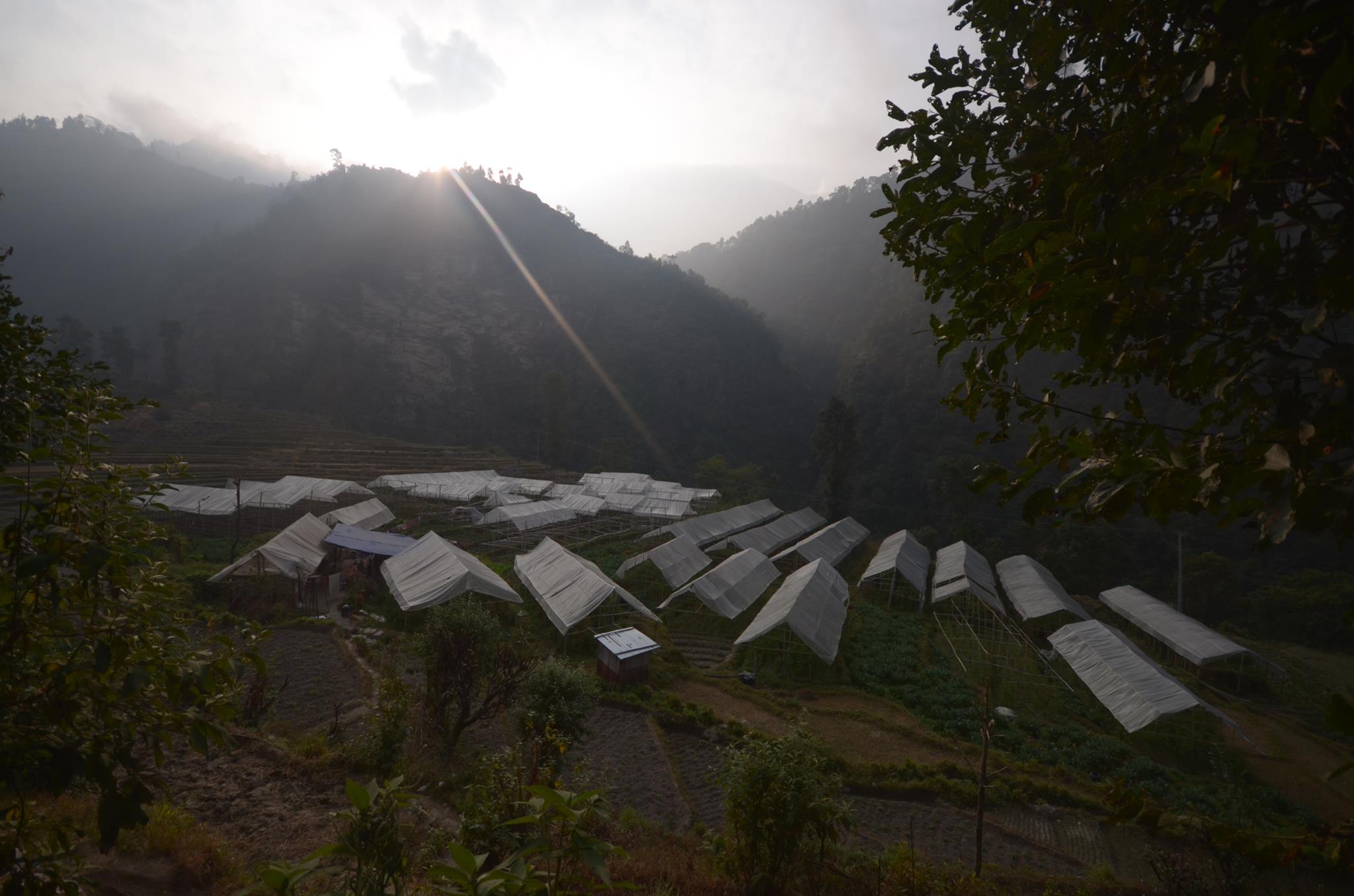
Established in the year 2047 B.S (1991 A.D), Integrated Self-help Association for Rural Development (ISARD) is a Not For Profit Organization that has been working in the villages of Barhabise, Sindhupalchowk for the last 30 years. Specifically focussed in the development of agriculture sector in the villages, we have been assisting the communities by providing materials to support their agriculture ventures as well. The agricultural supplements we provide are complemented with trainings, technical assistance, better market linkage, and infrastructure development.
Concentrated on six VDCs in Barhabise – Chokati, Dhuskun, Tauthali, Ghorthali, Karthali, and Piskar, ISARD has been working together with government bodies since our affiliation with Social Welfare Council in 2049 B.S, to make the most out of government resources and yield better results in the project areas. Our main objective is to resource mobilization in the communities for its social and economical development. ISARD is looking to assist rural communities realize their potential and unleash it, and helping us do it are our partner organizations: ICFON (International Council for Friends of Nepal), a Dutch organization, Chautaara Foundation, a Belgium organization and Stichting Tashi Delek Foundation. ICFON Foundation has been supporting ISARD since 1993. With Chautara Foundation, ISARD’s relationship goes back to 2007 A.D. ISARD is starting a new partnership with Tashi Delek foundation in Solukhumbu-Tingla Rural Municipality from 2021. Besides these three, ISARD has also been involved in various other projects led by different organizations – national and international. We also work in coordination with Government line agencies such as the DDO, DADO, DDC, DFO and the likes to ensure that the communities can make the most out of government allocated budget too. In the past, ISARD has also collaborated with Nepal Australia Community Resource Management Project (NACRMP), Caritas Nepal, Pact Nepal, ICCO Cooperation and Agro Forestry Foundation to run short-term programs lasting a few years.